

lianna
Film, 1983, 3.5 stars
Written and Directed: John Sayles
Lianna holds an interesting place in lesbian film history. It was the film that dared, long before films dared. Not just that, it was made by an up-and-coming director who could have made anything for his second film effort, but he chose to write and direct this character study that not only deals with lesbian relationships, but touches on the entire lesbian sub-culture.
In the years before New Queer Cinema—the movement of queer, independent films that made up the early to mid nineties—John Sayles helped break new ground. The only other lesbian film of this calibre that had been made at this point was Personal Best, which was primarily a sports movie that examined female relationships. Lianna could arguably be seen as the first film in the lesbian coming out film genre.
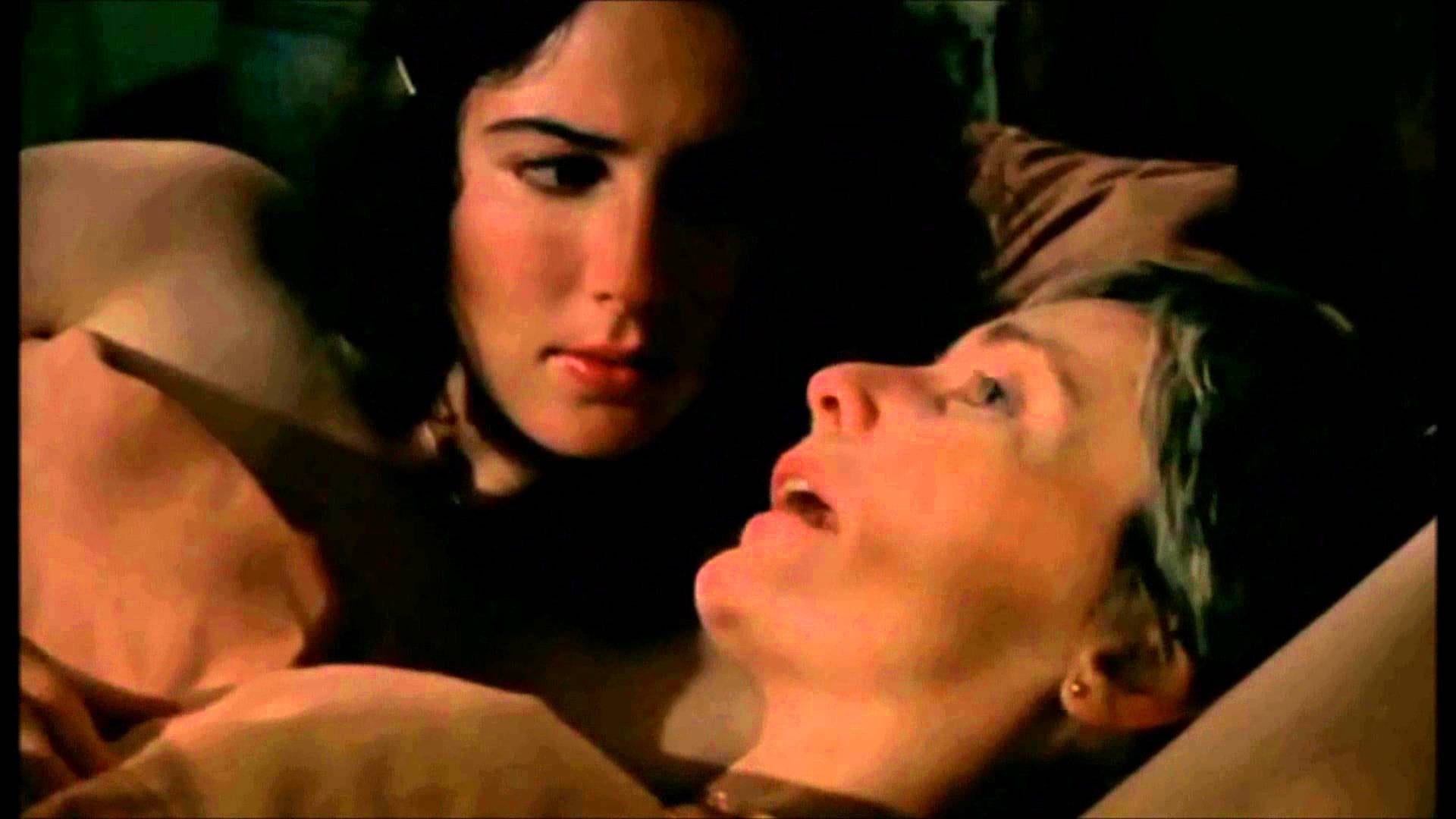
The cool thing is, not only is Lianna a huge part of our film history, but unlike other films made early on, it deserves its spot in the canon. The film is an astute, revealing, touching story about a woman who gets a second chance to decide her own fate and goes for it. However, every choice we make in life has consequences, and Lianna’s choices lead her to places she would never have expected to go.
Lianna is a faculty housewife in a University town and has been for fifteen years. She was a grad student who had an affair with her professor, and chose to drop out of school and marry him. Now they have a house, two children, and have settled into a life of status quo. Lianna resents the fact that her husband Dick sets the terms and boundaries for their entire relationship.
Two events happen to force a change. First, Lianna enrols in a child psychology night class and develops a crush on her professor, Ruth. Around the same time, Lianna arrives late to a faculty party one night only to see her husband screwing a student in the backyard. When she calls him on it Dick almost shrugs her off, claiming that he needs to think about their relationship. He heads off to a film festival in Toronto and leaves Lianna behind to contemplate her future.
Things take an unexpected turn one night as she’s having dinner with Ruth, the professor boldly makes a pass at her. Lianna is overjoyed, and the two women become lovers. Ruth is unprepared for the lengths to which Lianna is prepared to go to be with her. She leaves Dick, and her children, and embarks on a new life. She’s independent for the first time in her life.
Sayles takes us through a journey with Lianna, through the bitterness of first love and first loss, through the choice of hiding or of being open about her sexuality. We see her first lesbian experiences, the first time she admits to herself and to someone else that she’s a lesbian, the first time she visits a gay bar, the first time she goes cruising (successfully) for women. We also witness her sorrow and loneliness as her existing support network collapses and she struggles to find people to replace the friends she has lost, both for emotional support and for simple companionship.
Lianna is strong, and day by day even as she suffers through the isolation of her decision, her strength and resolve continue to grow. Each new experience with a woman opens her eyes to more possibilities. Romantically the film does not offer us a happy ending, but in terms of life lessons the ending is a very positive one.
Initially, as with all films from the seventies and early eighties, it takes a few moments to get over the culture shock and to place the film in context in our minds. Films from this period have dated dramatically, and we need to largely ignore things like hairstyles and clothes, things that seem so out of place. Even in the lesbian bar scenes I saw little that I recognised. The sex scenes are quite graphic for this time period, but as with all sex in films from this period they seem stilted and contrived.
What strikes me as remarkable though is that we still make films, forty years on, that use these same themes—fear of coming out, fear of rejection from our family and friends, fear of reprisal from school or work environments. How far has society really come, anyway?
Lianna is an ageless heroine. She’s a fighter, and we have a lot to learn from her story and her struggle to live her own life, to be free fromoppressive influences. There's a lot still to like about her story and how she manages to survive this enormous disruption to her life that she could never have foreseen, but takes on bravely. She could have continued along and never been true to herself, but she didn't.